Heater Tune Up Guide and Maintenance Tips for Homeowners
A heater tune up helps keep home heating systems running safely and efficiently through seasonal changes. This guide explains what happens during a tune up, warning signs of system issues, and practical maintenance tips that can help homeowners avoid unexpected breakdowns and costly repairs. Regular maintenance also supports better energy efficiency, more consistent indoor temperatures, and improved system reliability during colder months.
Whether a system is newer or has been in service for many years, scheduling a heater tune-up can play an important role in extending equipment lifespan and maintaining year-round comfort. Comfort Zone HVAC provides professional heating services designed to support long-term system performance, energy savings, and dependable home comfort.
What Is a Heater Tune Up?
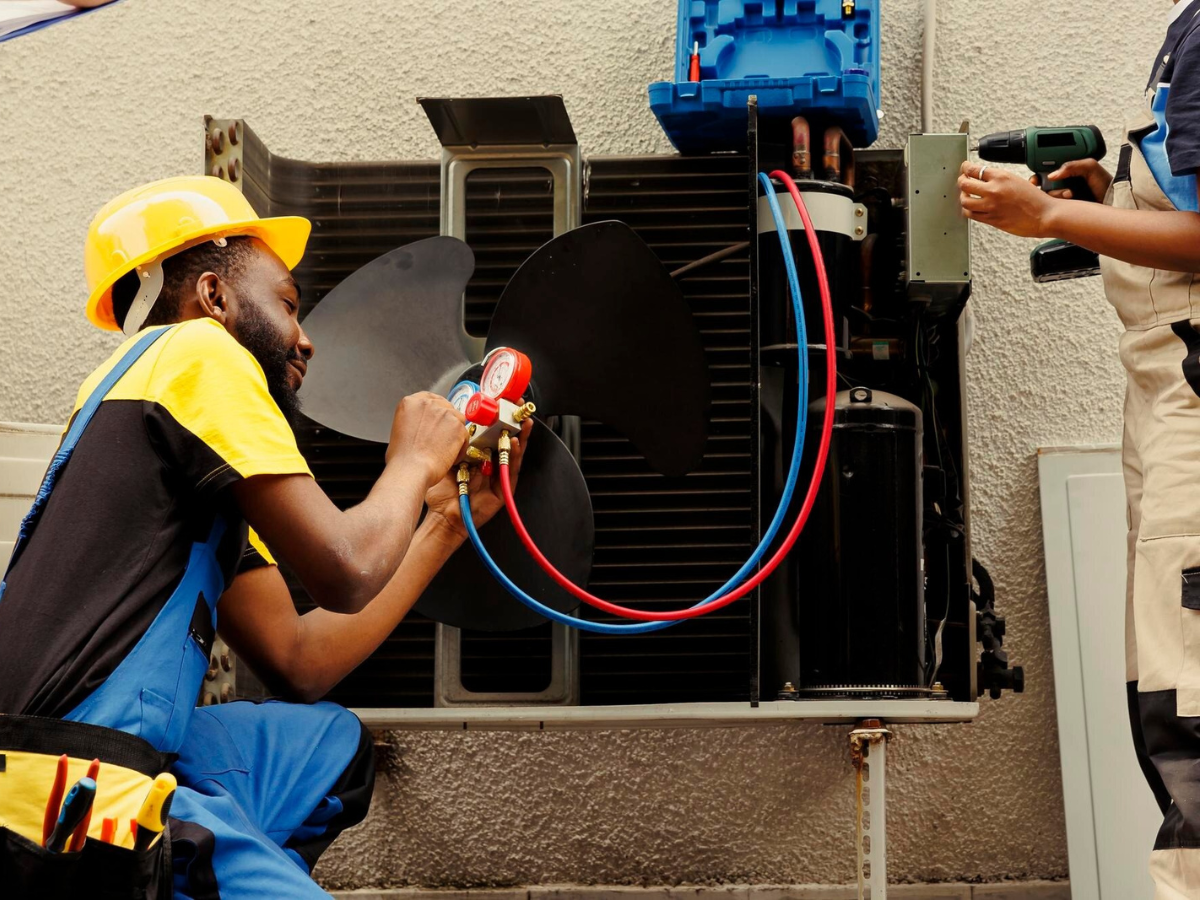
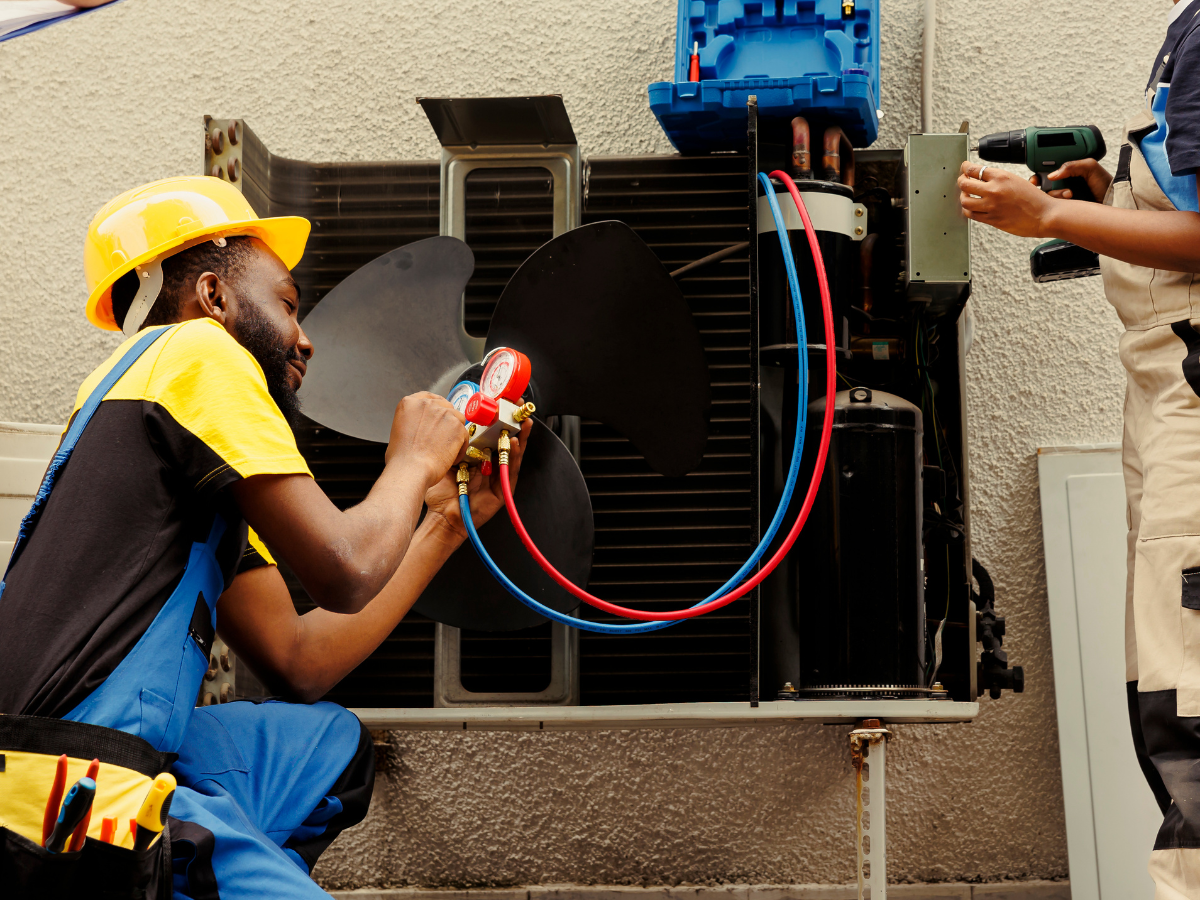
A heater tune-up is a preventive maintenance service designed to inspect, clean, and test the essential components of a heating system before peak usage seasons. During the service, HVAC technicians evaluate the system's overall condition, identify signs of wear, and address minor issues that could affect performance or lead to unexpected breakdowns. Regular maintenance helps ensure that the heating system operates safely, efficiently, and reliably when temperatures drop.
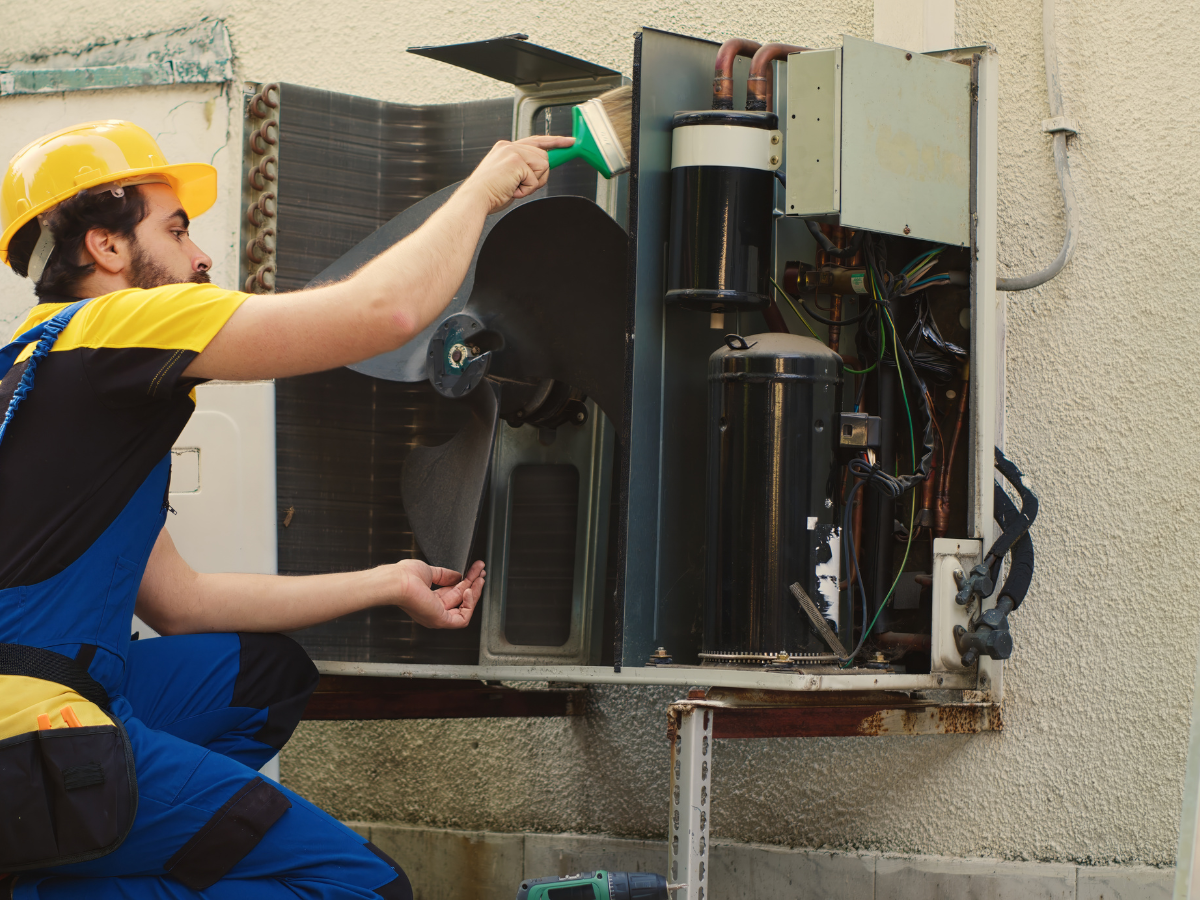
A typical heater tune-up may include checking the thermostat, inspecting electrical connections, cleaning burners and other components, testing safety controls, evaluating airflow, and examining the air filter. These steps help verify that the system is functioning as intended and can provide consistent heating throughout the home.
Key goals of a heater tune-up include:
- Improving heating efficiency
- Supporting safe system operation
- Reducing the risk of unexpected breakdowns
- Extending equipment lifespan
- Maintaining consistent indoor comfort
- Identifying potential issues before they become major repairs
- Helping manage energy consumption during the heating season
For homeowners, scheduling routine maintenance can be a practical way to protect their investment and keep their heating system prepared for colder weather. A professional heater tune-up can help ensure that heating equipment continues to perform reliably throughout the season.
What Is Included in a Home Heating Tune-Up?
A home heating tune up typically involves a thorough inspection, cleaning, and performance assessment of a heating system by a qualified HVAC technician. The purpose of the service is to help ensure the system operates safely, efficiently, and reliably throughout the heating season.
While the exact process may vary depending on the type of equipment, most tune-ups focus on identifying potential issues before they develop into larger problems.
Common heating system inspection tasks include:
- Checking thermostat operation and accuracy
- Inspecting the heat exchanger for signs of wear, corrosion, or damage
- Cleaning burners, ignition components, and accessible system parts
- Testing airflow and inspecting vents for proper circulation
- Inspecting electrical connections and controls
- Verifying that safety controls are functioning properly
- Inspecting or replacing air filters as needed
- Checking moving components for proper operation
- Measuring system performance and temperature output
- Looking for unusual noises, vibrations, or other signs of wear
A professional home heating tune-up may also include recommendations for repairs or adjustments if any concerns are identified during the inspection. Regular maintenance helps support efficient operation, consistent indoor comfort, and dependable heating performance during periods of increased system use. By addressing minor issues early, homeowners can often reduce the risk of unexpected breakdowns and help extend the lifespan of their heating equipment.
Warning Signs a Heater Tune Up Is Needed
Heating systems often show early signs of reduced performance before a breakdown occurs. Identifying these warning signs early can help prevent more serious issues and costly repairs.
Common indicators include:
- Uneven heating across different rooms
- Unusual noises such as banging, rattling, or squealing during operation
- Weak or inconsistent airflow from vents
- Higher-than-normal energy bills without increased usage
- Frequent cycling on and off
- Dust or debris buildup around vents or registers
- Difficulty maintaining the set thermostat temperature
Addressing these issues early can help maintain system efficiency and reduce the risk of unexpected failures.
How Often Should a Heater Be Serviced?
Most HVAC professionals recommend scheduling a heater tune-up once per year, ideally before the start of the heating season. This helps ensure the system is prepared for increased demand during colder months.
Recommended maintenance schedule:
- Annual inspection for most residential heating systems
- Bi-annual inspections for older systems or high-usage environments
- Air filter replacement every 1–3 months, depending on usage, pets, and indoor air quality conditions
Regular maintenance helps improve system reliability, maintain energy efficiency, and reduce wear on key components over time.
Energy Efficiency Benefits
A properly maintained heating system can operate more efficiently and use less energy compared to one that is not regularly serviced. Routine maintenance helps ensure components are clean, airflow is unobstructed, and the system is working under normal operating conditions, all of which support better energy performance.
Studies and energy efficiency organizations, including ENERGY STAR guidance on HVAC maintenance, consistently note that well-maintained systems can improve efficiency and may reduce energy use by up to 10–20% in some cases, depending on the system’s age, condition, and usage patterns.
Benefits include:
- Lower monthly energy bills
- More consistent indoor temperatures
- Reduced strain on system components
- Improved overall heating performance
- Longer equipment lifespan
Maintenance Tips for Homeowners
Simple maintenance steps can help support heating system performance between professional service visits:
- Replace air filters regularly (typically every 1–3 months)
- Keep vents and registers free from blockage
- Check thermostat settings for accuracy and efficiency
- Listen for unusual noises such as rattling or squealing
- Schedule a seasonal professional inspection before peak heating season
These small actions help reduce unnecessary strain on the heating system and support more consistent performance throughout the heating season.
FAQ
1. What does a heater tune up include?
It includes inspection, cleaning, testing of components, and safety checks to ensure proper system operation.
2. How long does a heater tune up take?
Most tune-ups take 60 to 90 minutes, depending on system condition.
3. Is a heater tune up necessary every year?
Yes, annual maintenance helps prevent breakdowns and improves efficiency.
4. What happens if heating systems are not maintained?
Lack of maintenance can lead to higher energy bills, reduced efficiency, and unexpected failures.
5. Can a tune up improve heating performance?
Yes, cleaning and calibration help improve airflow and system reliability.
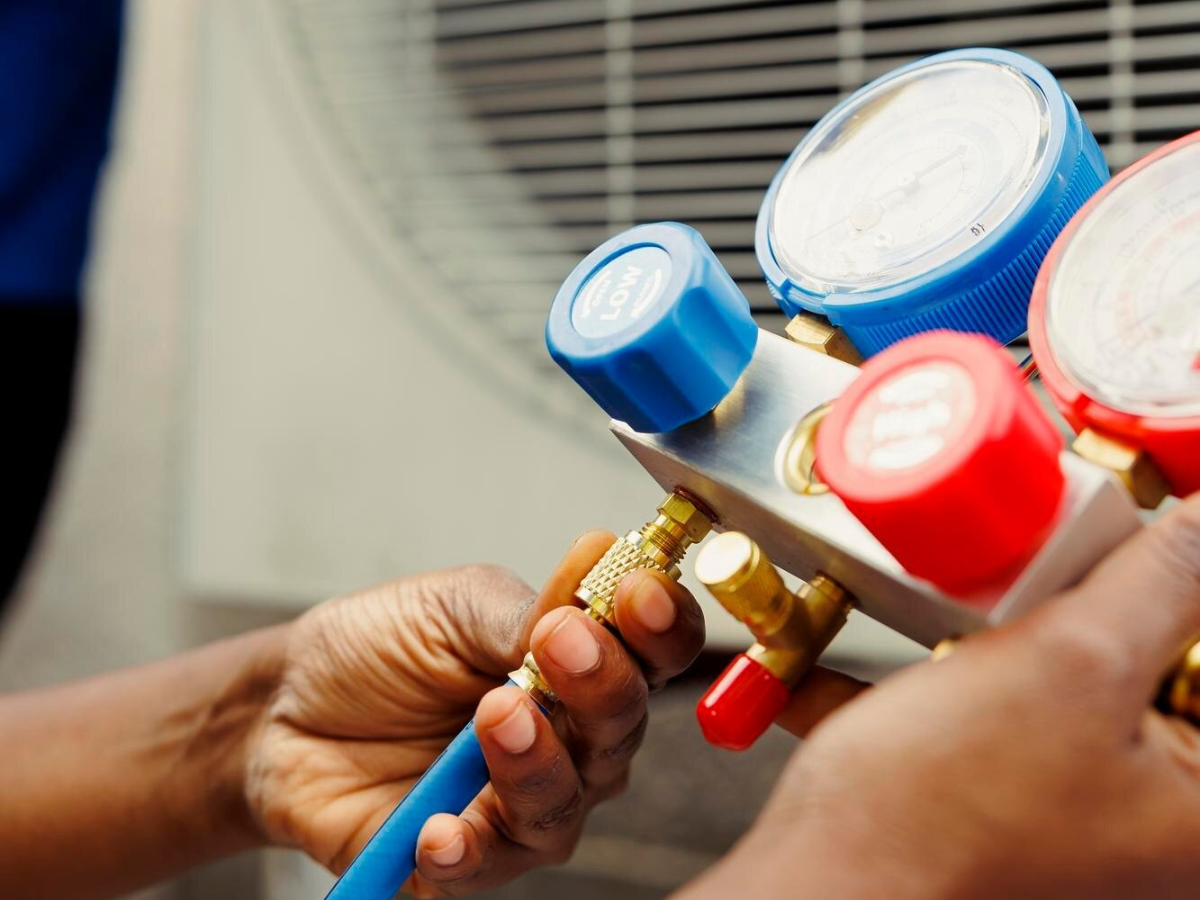
Why Heater Tune Up Matters for Homeowners
A heater tune up is an essential part of maintaining safe, reliable, and efficient home heating performance. Regular servicing helps ensure that heating systems operate at their best during periods of heavy use, especially in colder months when demand increases. By scheduling routine maintenance, homeowners can reduce the risk of unexpected breakdowns, improve overall energy efficiency, and extend the lifespan of their heating equipment.
For homeowners looking for dependable service,
Comfort Zone HVAC offers professional heating maintenance and
home heating tune up services designed to keep systems running smoothly and efficiently throughout the heating season. Regular care helps ensure comfort, safety, and peace of mind year-round.
You might also like