Expert tips

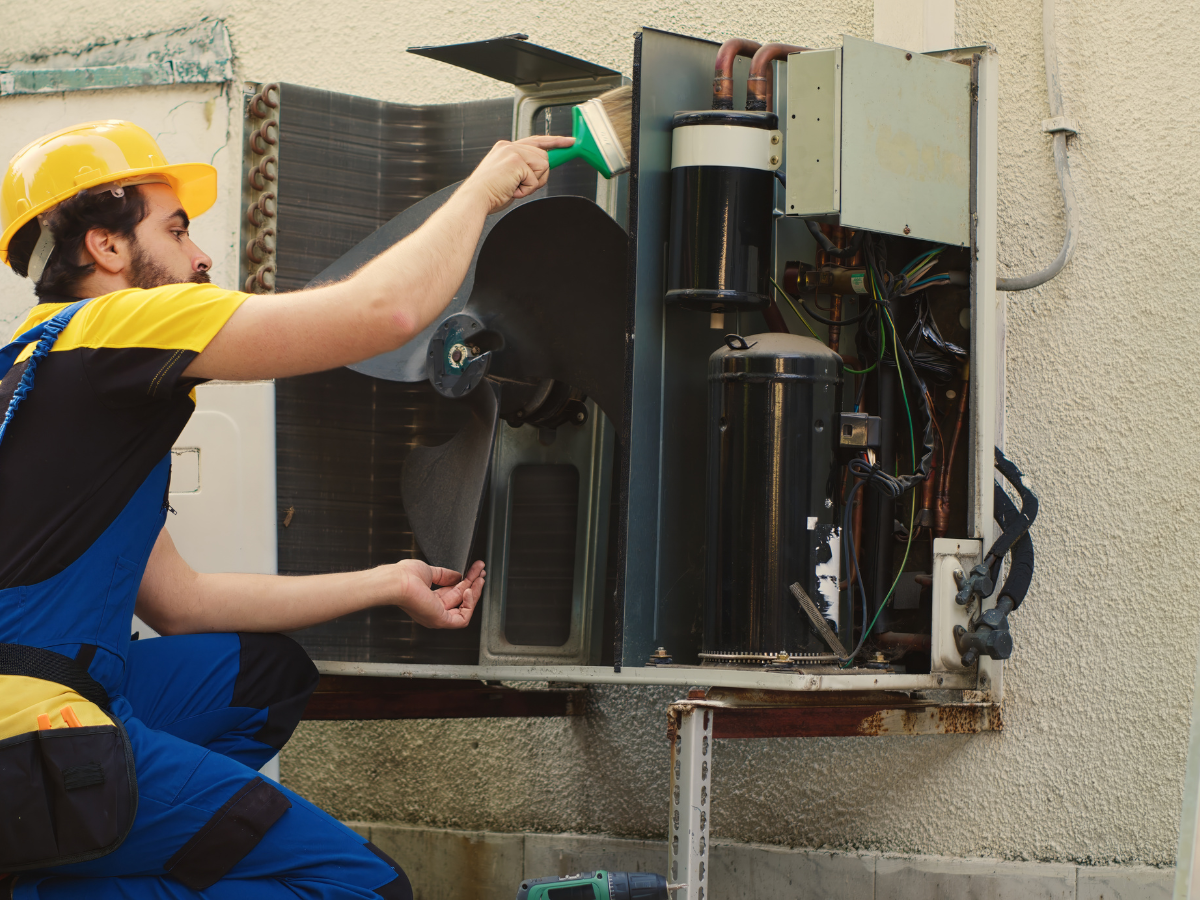
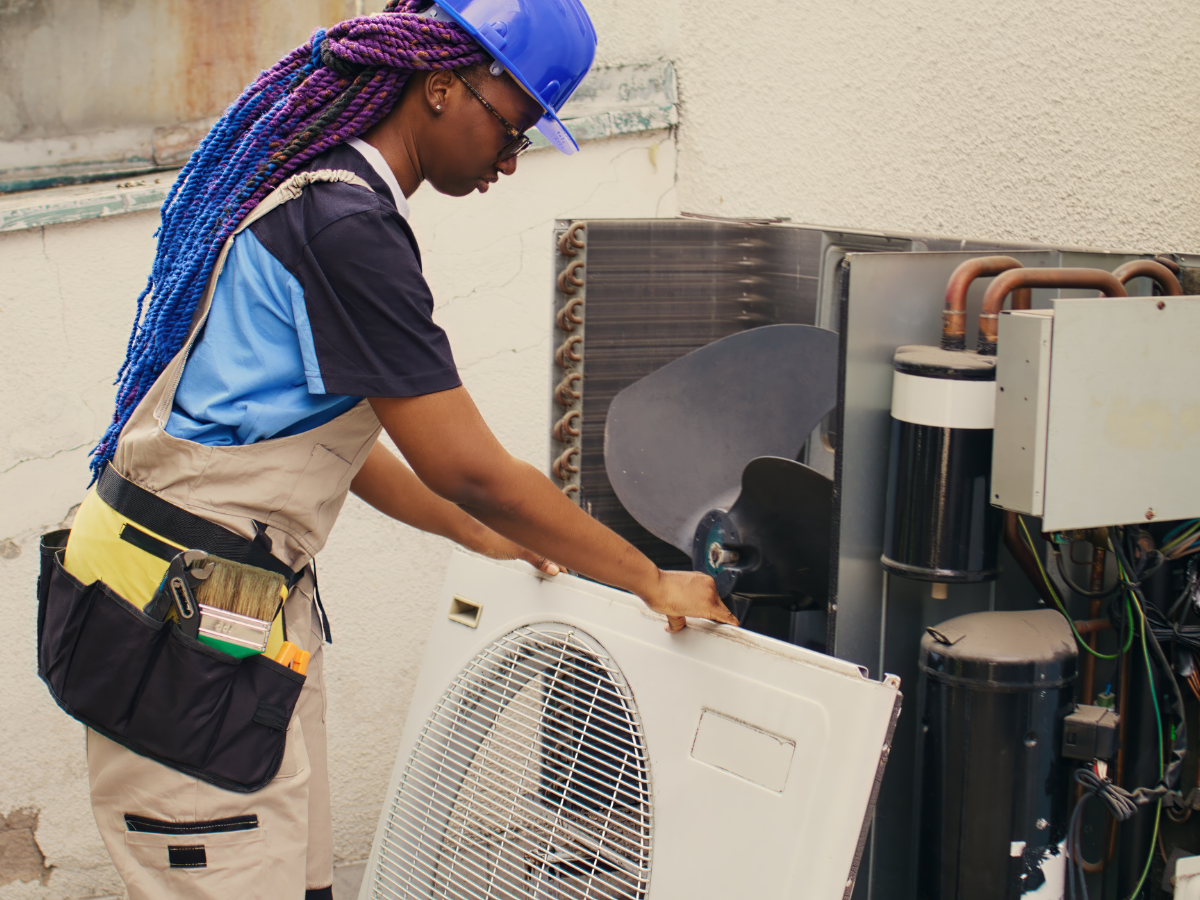
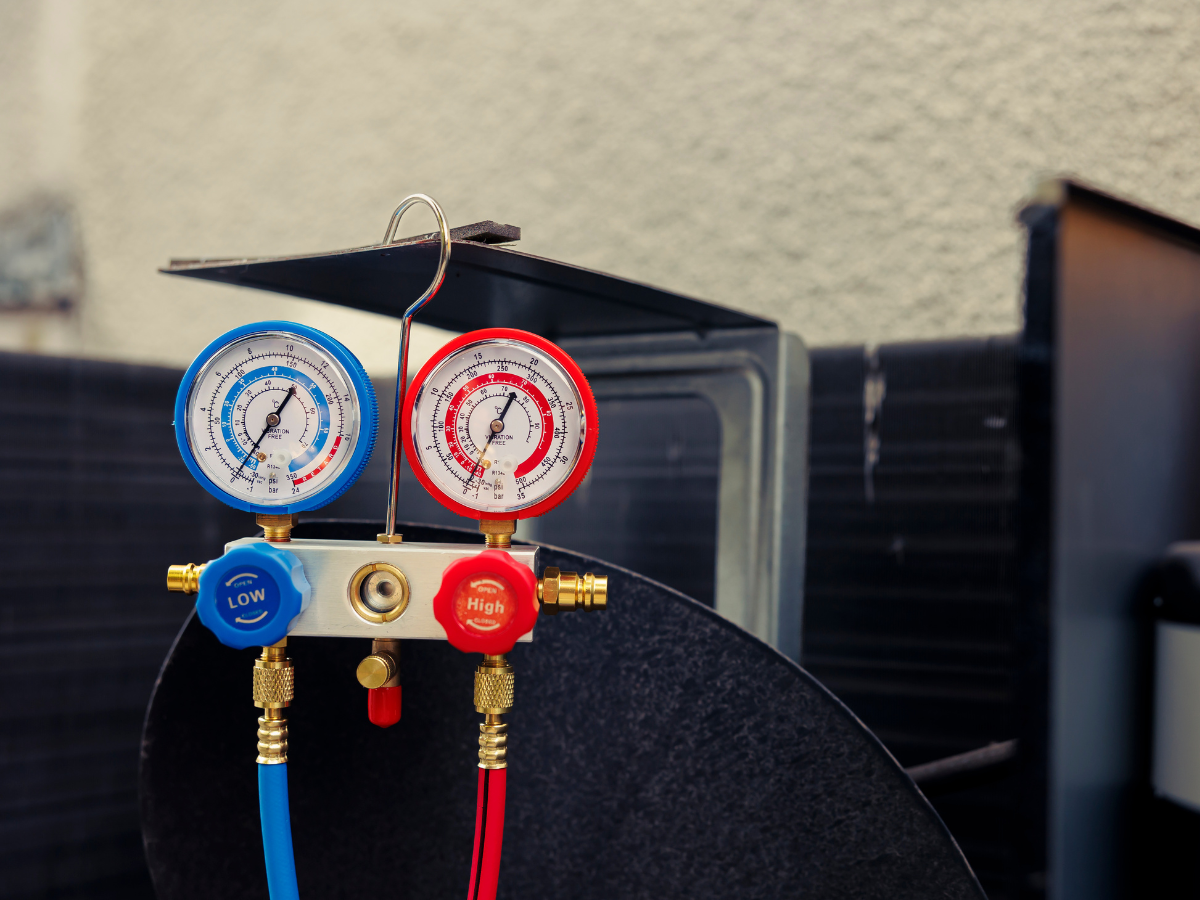
Regular HVAC maintenance is vital to ensure comfort, safety, and efficiency in any home. This easy guide explains what does HVAC maintenance include , helping homeowners understand the key tasks needed to keep their systems working well and lasting longer. With professional care from trusted experts at Comfort Zone HVAC, maintenance is straightforward and reliable, protecting your investment while improving indoor air quality. Scheduling routine service helps prevent costly breakdowns and keeps your system running efficiently through every season. What Does HVAC Maintenance Include? Breaking It Down HVAC maintenance involves a combination of thorough inspections, professional cleaning, and minor repairs to ensure the entire system runs smoothly and efficiently. Both heating and cooling components require careful attention. Here’s a detailed look at the essential tasks that trusted HVAC professionals perform to keep your system in top condition: 1. Filter Inspection and Replacement Clean air filters are essential for maintaining HVAC efficiency and improving indoor air quality. Proper filter care is a key part of regular maintenance and typically includes: Checking air filters monthly during heavy-use periods to ensure proper airflow and prevent strain on the system. Replace filters every 1 to 3 months, depending on factors like system usage and filter type, to keep the system running smoothly. Using high-quality filters to effectively capture dust, allergens, and other airborne particles supports a healthier home environment. 2. Cleaning Coils and Components Dust and debris buildup on coils and other components can reduce system efficiency . Regular cleaning includes: Thorough cleaning of evaporator and condenser coils annually to maximize heat exchange. Clearing debris and vegetation around outdoor condenser units to ensure proper airflow. Cleaning blower fan blades and housing to maintain balanced air circulation. 3. Checking Refrigerant Levels and Leaks Maintaining proper refrigerant levels is critical for cooling effectiveness and environmental compliance. Maintenance involves: Measuring refrigerant charge and adding more if necessary to maintain optimal cooling performance. Inspecting the system for refrigerant leaks, which can affect efficiency and have environmental impacts. Repairing any detected leaks in accordance with EPA guidelines, ensuring safety and sustainability. 4. Inspecting and Testing Electrical Components Electrical inspections help prevent unexpected failures and safety hazards. Maintenance includes: Checking all wiring, electrical connections, and contactors for wear or damage. Testing capacitors and relays to ensure reliable system startup and operation. Tightening loose electrical parts to prevent malfunctions. 5. Lubrication of Moving Parts Proper lubrication reduces friction and wear, extending the life of motors and fans. This includes: Applying the correct lubricants annually to motors, bearings, and other moving parts. Ensuring blower fans and motors operate smoothly and quietly. 6. Thermostat Calibration and Operation Check A well-calibrated thermostat maintains comfortable temperatures and conserves energy. Tasks include: Verifying thermostat settings and calibrations to ensure accurate temperature control. Testing communication between the thermostat and HVAC system for consistent operation. Advising on thermostat upgrades or smart thermostat installations when appropriate. 7. Ductwork Inspection and Cleaning Ducts play a critical role in airflow and energy efficiency. Maintenance includes: Inspecting duct seals and insulation to identify leaks or damage that can reduce system performance. Cleaning ducts to remove dust, mold, and allergens improves indoor air quality. Sealing leaks to prevent energy loss and maintain balanced airflow throughout the home. 8. Drain Line Cleaning Proper drainage prevents water damage and mold growth. Maintenance involves: Clearing condensation drain lines to prevent clogs and backups. Inspecting drain pans for standing water or corrosion and addressing any issues promptly.

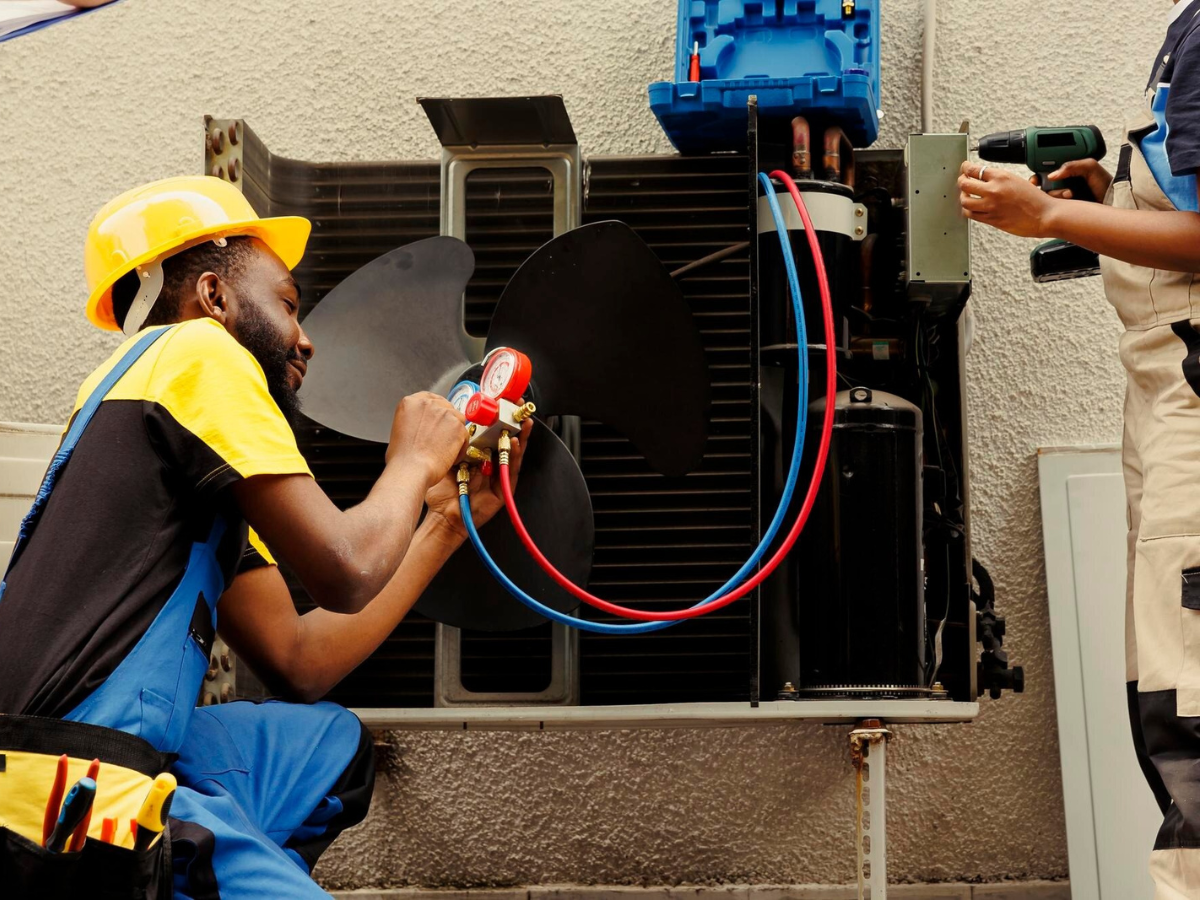
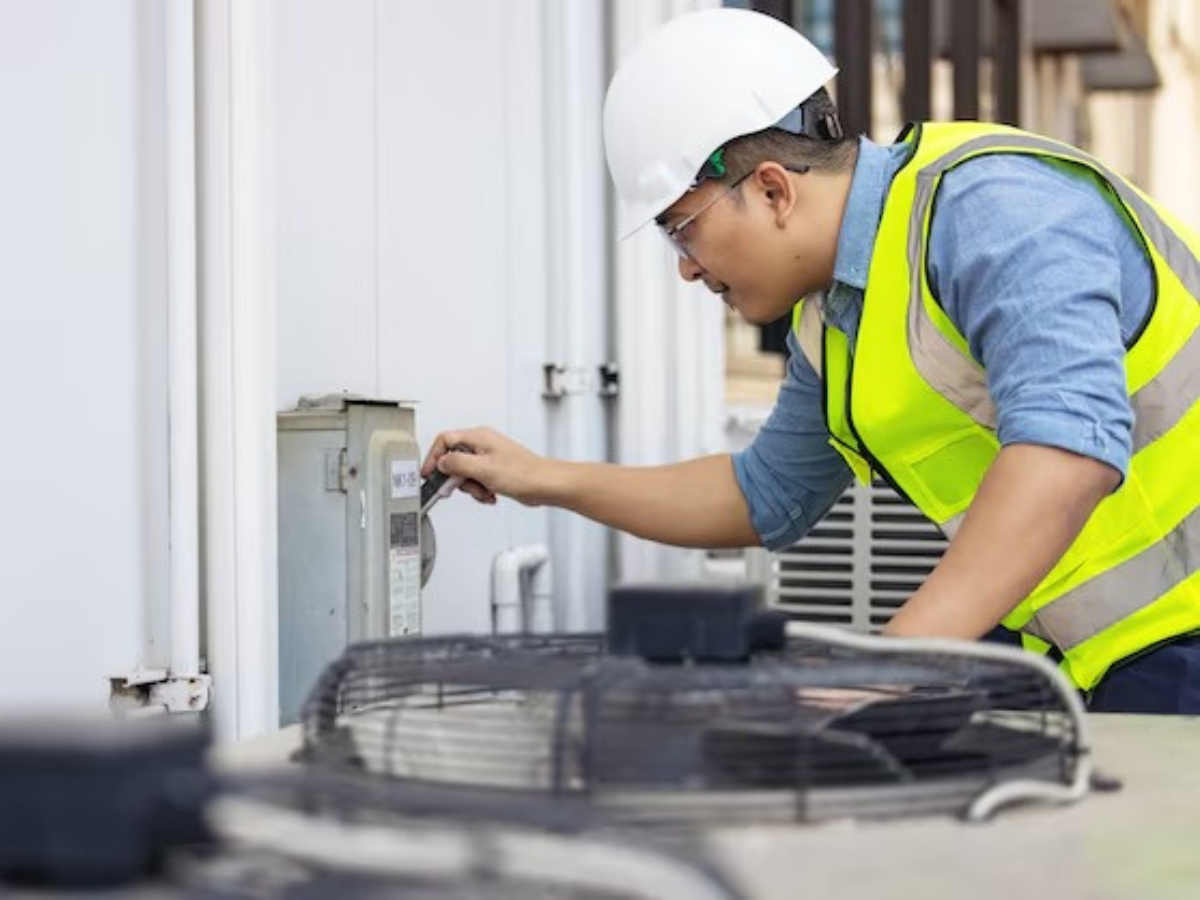
A professional air conditioning tune up protects comfort, reduces energy waste, and prevents expensive breakdowns. This guide explains exactly what happens during a tune up and why homeowners should schedule the service before summer heat hits. Regular maintenance keeps the system running efficiently, helping to lower energy bills and extend the unit’s lifespan. Comfort Zone HVAC provides expert tune up services to ensure reliable, consistent cooling when it matters most. Taking proactive steps now can help avoid unexpected repairs and keep your home comfortable all season long. Why an Air Conditioning Tune Up Matters A professional tune up is a thorough service designed to keep cooling systems running efficiently and reliably. It involves a detailed inspection and routine maintenance performed by licensed technicians to help prevent breakdowns and improve performance. Preventive maintenance is key to avoiding costly repairs and extending the lifespan of air conditioning units. Scheduling routine tune ups ensures systems receive thorough inspections and care from licensed technicians. This proactive approach helps manage energy use effectively and keeps homes comfortable when cooling is needed most. Tailored maintenance plans focus on energy-efficient operation and long-term system health, benefiting homeowners in the local community. What a Professional Air Conditioning Tune Up Includes A professional air conditioning tune up is a thorough service designed to keep cooling systems running efficiently and reliably. It involves a detailed inspection and routine maintenance performed by licensed technicians to help prevent breakdowns and improve performance. Typical tune up services include: Thermostat Check: Ensuring the thermostat is correctly set and communicating with the system for consistent temperature control. This can include reviewing program schedules and verifying temperature accuracy. Electrical System Inspection: Examining key electrical components such as wiring, capacitors, and relays to ensure safe and stable operation. Filter Assessment: Checking and replacing air filters to maintain proper airflow and reduce strain on the system. Coil Cleaning: Inspecting and cleaning evaporator and condenser coils to support effective heat exchange and efficient cooling. Refrigerant Evaluation: Testing refrigerant levels and checking for leaks to maintain optimal cooling performance and comply with current regulations. Blower and Fan Examination: Assessing the indoor blower and outdoor fan for proper operation, which is critical for airflow and system efficiency. Drainage System Check: Inspecting and clearing condensate drain lines to prevent clogs, water damage, or mold growth. System Performance Test: Starting up the system to verify steady cooling, balanced airflow, and proper cycling. These routine tune ups help maintain energy-efficient operation, extend the lifespan of the air conditioning system, and promote reliable comfort throughout the cooling season. Additional Services Often Included in Routine Maintenance Routine maintenance often includes helpful services designed to keep cooling systems running smoothly and efficiently while enhancing homeowner comfort and savings. Smart Thermostat Review: Many modern systems feature Wi-Fi-enabled thermostats. Ensuring these devices are properly connected and functioning supports precise temperature control and efficient energy use. Indoor Air Quality Considerations: With air quality increasingly important, especially in areas affected by wildfire smoke, technicians may assess duct cleanliness, humidity levels, and recommend high-quality filters to promote healthier indoor air. Energy Efficiency Suggestions: Technicians provide practical guidance on easy upgrades such as insulating refrigerant lines, using high-efficiency filters, and adopting seasonal cooling practices that help reduce energy use and extend system life. These proactive services enhance comfort, support energy savings, and promote the long-term health of cooling systems, providing homeowners with reliable, efficient performance.